
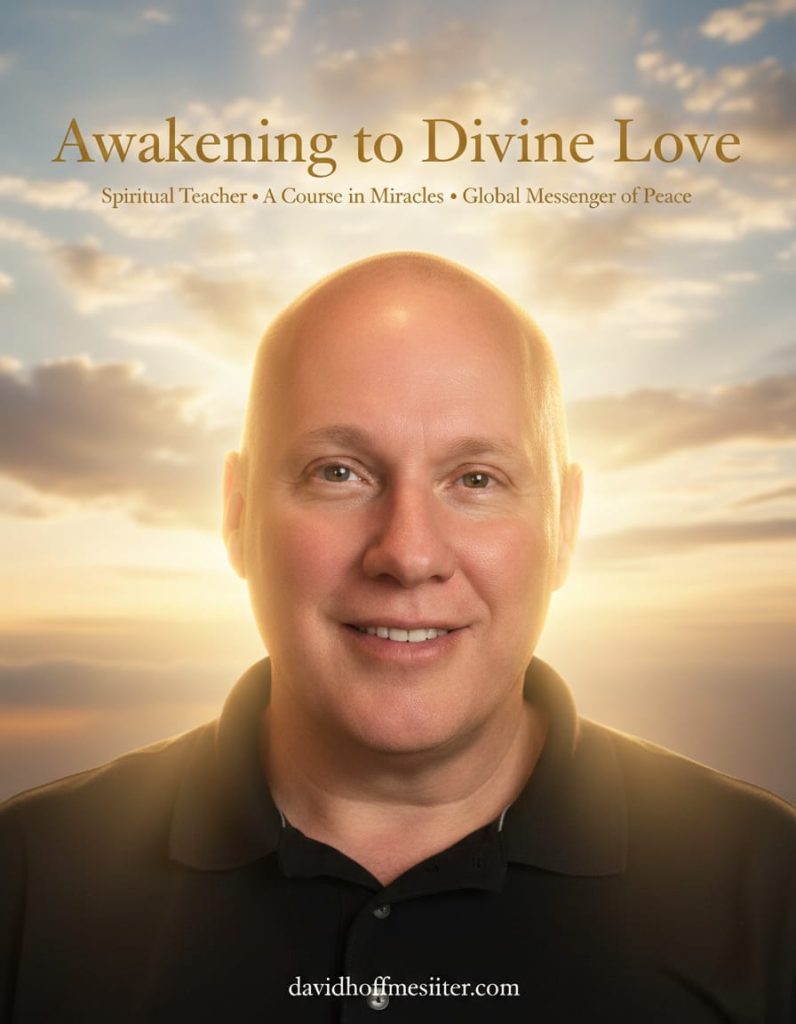
Emotional and mental healing are central to David Hoffmeister’s teachings. According to david hoffmeister wikipedia, his guidance focuses on releasing guilt, fear, and resentment to create inner peace and spiritual clarity. Healing is not just about addressing symptoms but transforming perception to experience freedom and wholeness.
David emphasizes that spiritual guidance is practical, actionable, and applicable in daily life. Through forgiveness, mindfulness, and surrender, individuals can experience profound emotional healing and lasting change.
This article explores Hoffmeister’s approach to healing and the tools he provides to achieve emotional and spiritual wellness.
Understanding Spiritual Healing
Spiritual healing involves aligning mind, body, and spirit with truth and awareness. Hoffmeister teaches that most suffering arises from misperception and attachment to the ego.
Key principles:
- Releasing judgments toward self and others
- Observing thoughts without identification
- Embracing forgiveness as a daily practice
- Cultivating compassion and awareness
- Trusting life’s natural unfolding
Healing occurs when individuals shift perception from fear to love.
Forgiveness as a Healing Tool
Forgiveness is foundational in Hoffmeister’s approach. Holding resentment, guilt, or anger blocks emotional recovery and spiritual growth.
Benefits of forgiveness:
- Reduces stress and mental tension
- Restores emotional balance
- Enhances interpersonal relationships
- Fosters self-compassion
- Opens the mind to spiritual awareness
Practical forgiveness exercises include journaling, meditation, and role-reversal visualization.
Mindfulness and Emotional Clarity
Mindfulness is essential for observing emotions and thoughts objectively. Hoffmeister emphasizes that awareness allows individuals to recognize negative patterns and release them.
Techniques include:
- Daily meditation sessions
- Observing emotional triggers
- Practicing non-reactive responses
- Recording reflections in a journal
- Integrating mindfulness into daily activities
Mindfulness strengthens emotional resilience and supports healing.
Surrendering Control
Surrender is a key practice in emotional healing. David Hoffmeister teaches that trying to control outcomes perpetuates stress and fear.
Steps to practice surrender:
- Acknowledge feelings without resistance
- Release attachment to desired results
- Trust inner guidance and intuition
- Observe experiences as learning opportunities
- Reflect on past situations where surrender led to positive outcomes
Surrender fosters emotional freedom and reduces suffering.
Self-Compassion and Inner Healing
Healing requires compassion toward oneself. Hoffmeister emphasizes that self-criticism prolongs emotional wounds.
Practices include:
- Accepting mistakes without judgment
- Speaking kindly to oneself
- Recognizing inherent worth
- Celebrating progress, however small
- Integrating forgiveness for self along with others
Self-compassion strengthens resilience and creates a nurturing inner environment.
Healing Through Awareness
Awareness allows the recognition of thought patterns that create suffering. Hoffmeister teaches that most pain is mentally constructed and can be released through conscious observation.
Steps:
- Notice recurring thoughts and emotions
- Identify judgments and fears
- Practice detachment from harmful thinking
- Replace negative mental patterns with positive affirmations
- Maintain daily reflection to track progress
Awareness enables conscious choice and accelerates healing.
Healing Relationships Through Spiritual Principles
Emotional pain often arises from conflict in relationships. Hoffmeister teaches that applying spiritual principles improves connections and reduces relational stress.
Key practices:
- Active listening and empathy
- Forgiving perceived offenses
- Observing reactions without judgment
- Communicating with clarity and compassion
- Balancing personal needs with others’ perspectives
Healthy relationships support both emotional and spiritual wellness.
Overcoming Obstacles to Healing
Resistance is common in the healing process due to fear, habit, or attachment. Hoffmeister advises:
- Start with small daily practices
- Observe mental resistance without self-criticism
- Use meditation and reflection to process emotions
- Seek guidance from spiritual teachings or mentors
- Recognize and celebrate small progress
These steps ensure steady and sustainable healing.
Integrating Healing Into Daily Life
Spiritual healing is most effective when integrated into daily life. Hoffmeister encourages:
- Mindful engagement in work and tasks
- Compassionate interactions with others
- Practicing gratitude and appreciation
- Regular reflection and meditation
- Releasing judgments and resentment promptly
Integration transforms ordinary experiences into opportunities for emotional growth.
Long-Term Benefits of Spiritual Healing
Consistent practice leads to:
- Emotional stability and resilience
- Improved mental clarity and focus
- Stronger relationships
- Enhanced spiritual awareness
- Greater overall well-being
Healing becomes a continuous journey of growth, awareness, and inner peace.
Conclusion
David Hoffmeister’s teachings offer a practical roadmap for emotional and spiritual healing. Through forgiveness, mindfulness, surrender, and self-compassion, individuals can experience profound transformation.
For more information about his life and guidance, visit about david hoffmeister.
His approach empowers seekers to overcome emotional challenges, achieve inner peace, and live consciously.
Frequently Asked Questions (FAQ)
1. How does Hoffmeister define spiritual healing?
Healing involves releasing fear, judgment, and attachment to experience emotional freedom.
2. What is the role of forgiveness in healing?
Forgiveness reduces mental and emotional burdens and opens the mind to peace.
3. Can mindfulness accelerate healing?
Yes, awareness allows observation of thought patterns and conscious release of suffering.
4. How does self-compassion support healing?
It creates a nurturing inner environment, strengthening resilience and emotional balance.
5. Are Hoffmeister’s healing practices suitable for beginners?
Yes, his methods are practical and accessible to anyone seeking emotional and spiritual growth.
