
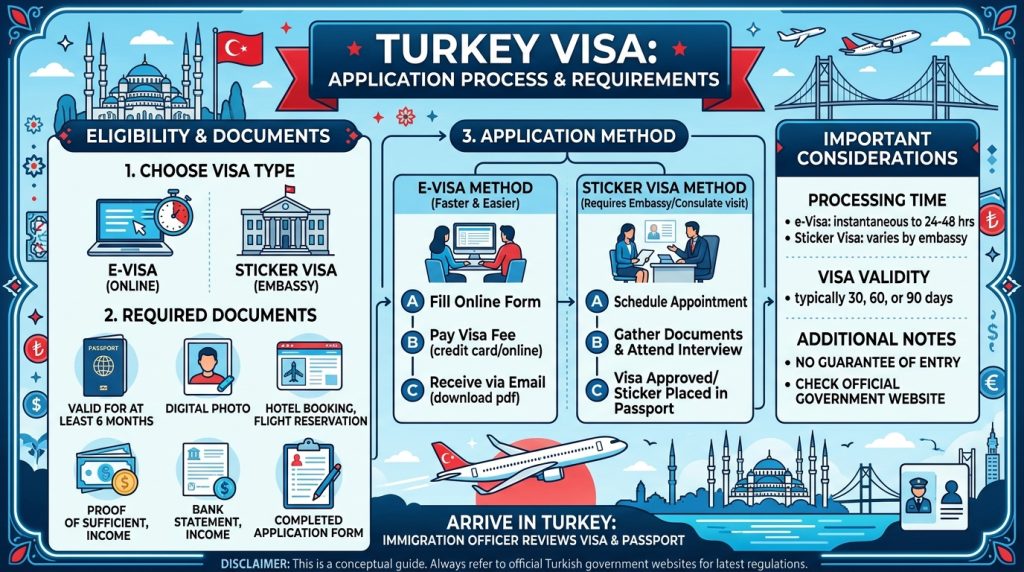
Türkiye, a vibrant crossroads where Europe meets Asia, continues to be a premier destination for global tourism and international commerce. Whether you are traveling for a well-deserved vacation or attending high-level meetings in Istanbul, understanding the nuances of Turkish immigration is the first step toward a successful journey. With evolving regulations, staying informed on documentation and entry requirements is essential for every international visitor.
Decoding Turkey Visa Validity
A frequent point of confusion for many international travelers is the difference between the “validity period” of a visa and the “authorized duration of stay.” When you obtain your travel authorization, it is critical to grasp exactly what these terms mean for your trip.
The TURKEY VISA VALIDITY generally refers to the window of time in which your visa can be used to enter the country. For many electronic visas (e-Visas), this is often a 180-day period. However, this does not grant you 180 days of continuous residence in Türkiye. Instead, your actual “duration of stay”—often limited to 30 or 90 days depending on your nationality—is the legal limit for your time within the country.
One of the most important technical requirements for entry is passport validity. Turkish law requires that your passport remain valid for at least 60 days beyond the total duration of your permitted stay. For example, if you are granted a 90-day stay, your passport should ideally have at least 150 days of remaining validity at the time of your arrival. Always double-check your specific visa documentation, as requirements can vary based on your citizenship and the nature of your entry permit.
Essential Guidance for Professional Travel
Türkiye’s economy is a hub for textiles, automotive manufacturing, and tourism, attracting professionals from around the world. If you are planning a professional visit, it is vital to recognize that business traveler status is intended for specific activities such as attending meetings, trade fairs, conferences, or conducting site inspections. It does not grant you the right to seek local employment or receive a salary from a Turkish company; such activities require a formal work permit.
For BUSINESS Visitors to Turkey, the key to a smooth entry is preparation and transparency. When applying for your visa, your documentation should clearly reflect the purpose of your trip. This typically includes a formal invitation letter from your host organization in Türkiye, which should detail the scope of your business activities, the duration of your visit, and confirmation of who will bear your travel expenses.
To ensure your professional visit remains seamless, consider these best practices:
- Documentation Organization: Maintain a digital and physical file containing your invitation letter, proof of return travel, hotel reservations, and evidence of your professional affiliations.
- Official Channels: Always utilize the official government visa portals. Avoid third-party websites that may provide inaccurate information or charge unnecessary service fees.
- Professional Conduct: Turkish business culture values long-term relationships and face-to-face rapport. Being well-prepared and punctual will help you make a positive impression during your stay.
- Compliance: Always respect the legal limits of your visa. Engaging in activities outside the scope of a business visitor permit can lead to significant administrative complications, including fines or potential entry bans in the future.
By approaching your travel documentation with diligence and ensuring your stay remains within the legal parameters of your visa, you can focus on the professional objectives and cultural experiences that make Türkiye such a unique destination. Remember to verify the latest entry protocols through the official Ministry of Foreign Affairs website before your departure to stay updated on any changes.professional opportunities or cultural experiences that await you in Türkiye.
