
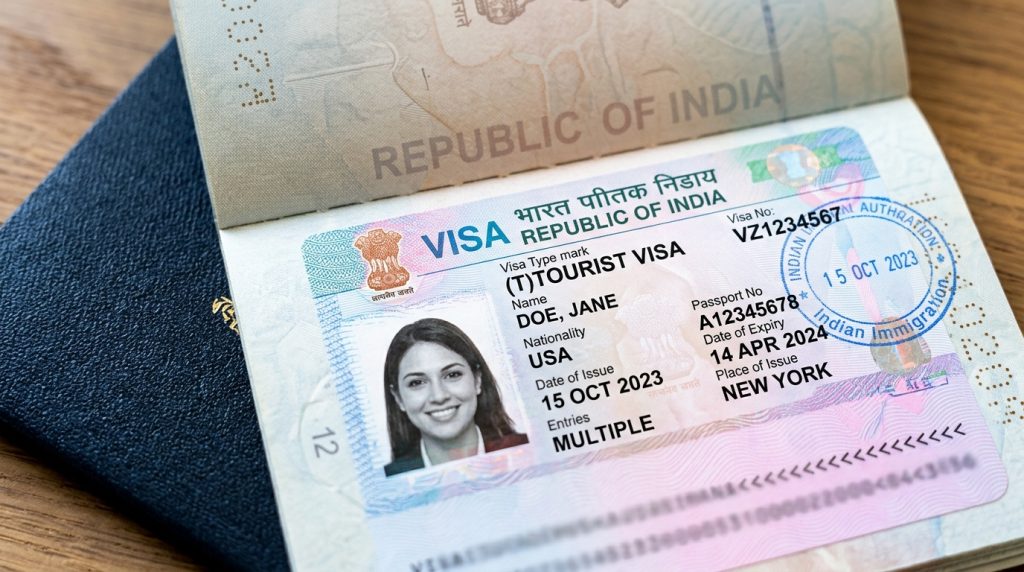
India stands as a beacon for global travelers, offering an intoxicating mix of ancient heritage and high-energy modernization. From the golden sands of the Thar Desert to the lush tea plantations of Munnar, the subcontinent is a world unto itself. As we move through 2026, the Indian government has continued to refine its digital infrastructure, making it simpler than ever for international guests to trade their local landscapes for the vibrant chaos and spiritual serenity of India.
The Digital Shift in South Asian Tourism
The cornerstone of India’s accessibility is the e-Visa program. This initiative has successfully removed the traditional barriers of entry, replacing physical embassy visits with a streamlined online portal. This shift has not only boosted tourism but has also fostered deeper cultural exchanges between India and nations across the Atlantic.
For those planning an expedition from Central America, the process is now remarkably efficient. Obtaining an INDIAN VISA FOR HONDURAN CITIZENS is a digital-first experience that can be completed in just a few steps. Whether the goal is to witness the architectural perfection of the Taj Mahal or to participate in a yoga retreat in the foothills of the Himalayas, the electronic authorization ensures that travelers can focus on their itinerary rather than administrative hurdles. The e-Visa typically grants entry for tourism, business, or medical purposes, providing a versatile solution for every type of traveler.
Connecting Central Europe to the Ganges
The fascination with India’s diverse philosophy and history is also deeply rooted in European culture. From the classical beauty of Budapest to the bustling streets of Mumbai, the desire to explore the “Land of the Seven Rivers” remains a top priority for European explorers. The shared appreciation for art, history, and culinary depth continues to drive significant passenger traffic between these regions.
To support this demand, the Indian government has ensured that the digital application process is as user-friendly as possible for European travelers. Securing an INDIAN VISA FOR HUNGARIAN CITIZENS involves filling out a secure online form, uploading a digital photograph, and paying the processing fee via a digital gateway. Once the application is reviewed, the approved visa is sent directly to the applicant’s email. This level of convenience allows visitors to plan spontaneous trips to experience India’s legendary festivals, such as Diwali or Holi, without long lead times.
Preparing for an Immersive Journey
While the entry process is high-tech, a successful trip to India rewards the well-prepared. The optimal window for travel is generally between October and March, when the monsoon rains have subsided and the heat is manageable across the northern and central plains.
Travelers should ensure their passports are valid for at least six months from the date of arrival. While the visa is electronic, it is a best practice to keep a printed copy in your travel documents for verification at regional airports or hotels. By leveraging these modern entry systems, global citizens are invited to step into a land of endless discovery, where every street corner tells a story and every landscape offers a new perspective.
