
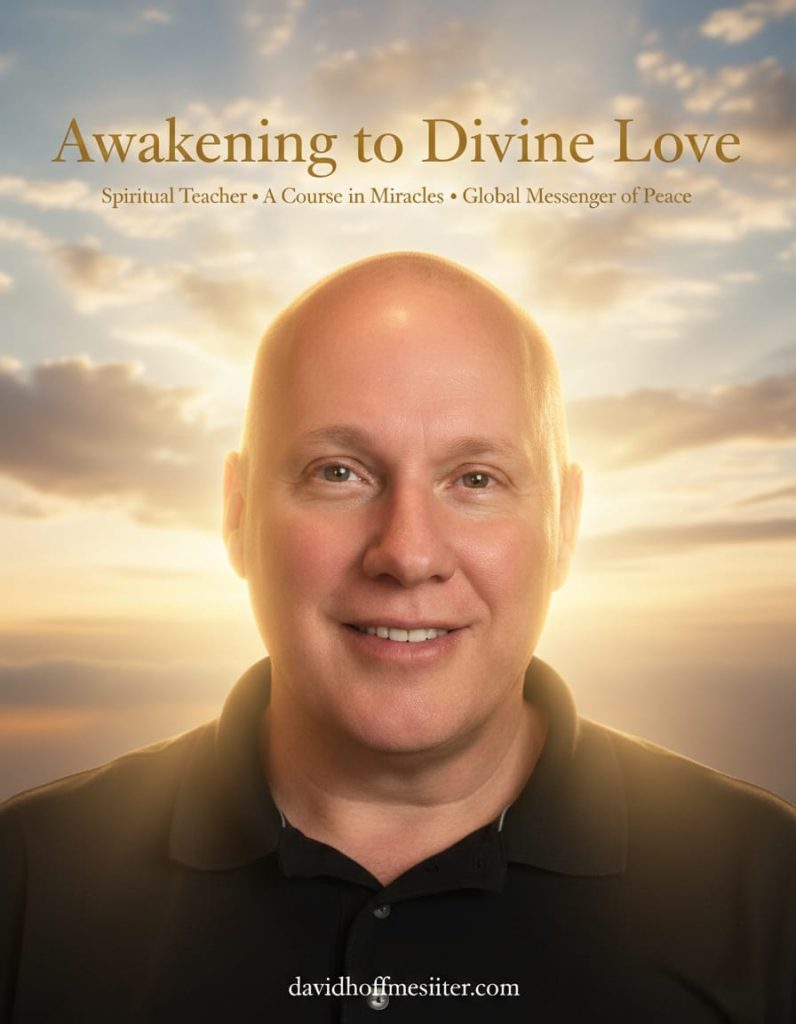
The teachings of david hoffmeister provide guidance on achieving spiritual freedom by letting go of ego, attachment, and judgment. Hoffmeister emphasizes that true freedom is internal, not dependent on external circumstances. By practicing awareness and forgiveness, one can free the mind from habitual thought patterns and experience sustained peace, clarity, and joy.
This article explores Hoffmeister’s teachings, practical methods for daily application, and the long-term benefits of spiritual freedom.
Understanding Spiritual Freedom
Spiritual freedom is the state of being free from mental and emotional limitations caused by ego-based thinking. Hoffmeister teaches that suffering arises from identification with fear, judgment, and attachment.
Key aspects of spiritual freedom include:
- Observing thoughts and emotions without attachment
- Releasing habitual judgment and expectation
- Practicing forgiveness regularly
- Maintaining mindfulness and presence in daily life
With consistent practice, freedom becomes the natural state of the mind.
Cultivating Awareness
Awareness is the conscious observation of thoughts, emotions, and reactions without becoming entangled. It allows individuals to respond consciously rather than react impulsively.
Practical ways to cultivate awareness:
- Daily meditation or mindful breathing
- Journaling recurring thoughts and emotional triggers
- Observing reactions without labeling them as “me” or “mine”
- Reflecting on habitual judgments and attachments
Awareness provides clarity and reduces emotional turbulence, helping individuals navigate life with peace.
Forgiveness: Releasing Inner Burdens
Forgiveness is central to Hoffmeister’s teachings. It involves letting go of judgment, resentment, and attachment that prevent clarity and freedom.
Steps for practicing forgiveness:
- Identify the thought or emotion causing mental disturbance
- Trace it to the underlying belief or attachment
- Consciously release judgment and attachment
- Redirect focus to the present moment
Regular forgiveness practice interrupts habitual cycles of emotional disturbance, promoting inner peace and freedom.
Letting Go of Ego
The ego perpetuates suffering through attachment, comparison, and defensiveness. Common ego-driven patterns include:
- Seeking validation from others
- Comparing oneself to others
- Reacting defensively to criticism
- Clinging to roles, identity, or outcomes
Hoffmeister teaches that releasing ego-based patterns allows for conscious and compassionate engagement with life from a place of clarity and freedom.
Integrating Principles Into Daily Life
Applying awareness and forgiveness in daily life strengthens clarity, freedom, and emotional resilience:
- Begin each day with meditation or reflection
- Pause before reacting in challenging situations
- Journal habitual emotional and thought patterns
- Practice immediate forgiveness when judgment arises
Even small, consistent practices lead to significant transformation over time.
Relationships as a Practice Space
Relationships often trigger ego-based reactions, offering opportunities for personal growth. Hoffmeister’s teachings encourage:
- Observing emotional reactions before responding
- Reducing projections and judgments
- Practicing real-time forgiveness
- Engaging from awareness and presence rather than expectation
These practices transform relationships into authentic, supportive, and harmonious connections.
Mindful Engagement in Work and Daily Tasks
Daily responsibilities and professional tasks often amplify attachment, stress, and reactivity. Hoffmeister recommends:
- Observing thoughts and reactions without attachment
- Forgiving oneself and others during conflicts
- Focusing on conscious intention rather than recognition
- Maintaining calm and clarity under pressure
Mindful engagement enhances productivity, emotional resilience, and overall well-being.
Long-Term Benefits
Consistent application of Hoffmeister’s principles leads to:
- Emotional stability and reduced reactivity
- Greater clarity and insight in decision-making
- Harmonious personal and professional relationships
- Inner peace and freedom independent of circumstances
- Liberation from habitual fear, judgment, and attachment
These benefits create a solid foundation for living a conscious, free, and fulfilling life.
Living With Presence
Presence is essential for sustaining spiritual freedom. By maintaining awareness and practicing forgiveness, the mind remains grounded in the present rather than lost in fear, judgment, or attachment.
Living with presence allows:
- Conscious responses instead of automatic reactions
- Deepened, authentic relationships
- Stability and clarity under stress
- Inner peace and freedom as the natural default state
Presence becomes the guiding principle for living a mindful, aware, and free life.
FAQ
What is spiritual freedom according to David Hoffmeister?
Spiritual freedom is the state of being free from ego, attachment, and judgment, allowing the mind to experience clarity and peace.
How does forgiveness contribute to spiritual freedom?
Forgiveness releases mental attachments and judgment, interrupting cycles of disturbance and fostering clarity and peace.
Can these teachings be applied daily?
Yes. Awareness, reflection, and forgiveness can be consistently integrated into all aspects of daily life.
How do these teachings affect relationships?
They reduce projection, judgment, and reactivity, creating authentic and harmonious connections.
Is spiritual freedom dependent on external circumstances?
No. Freedom arises naturally through awareness, presence, and release of ego-based attachments.
